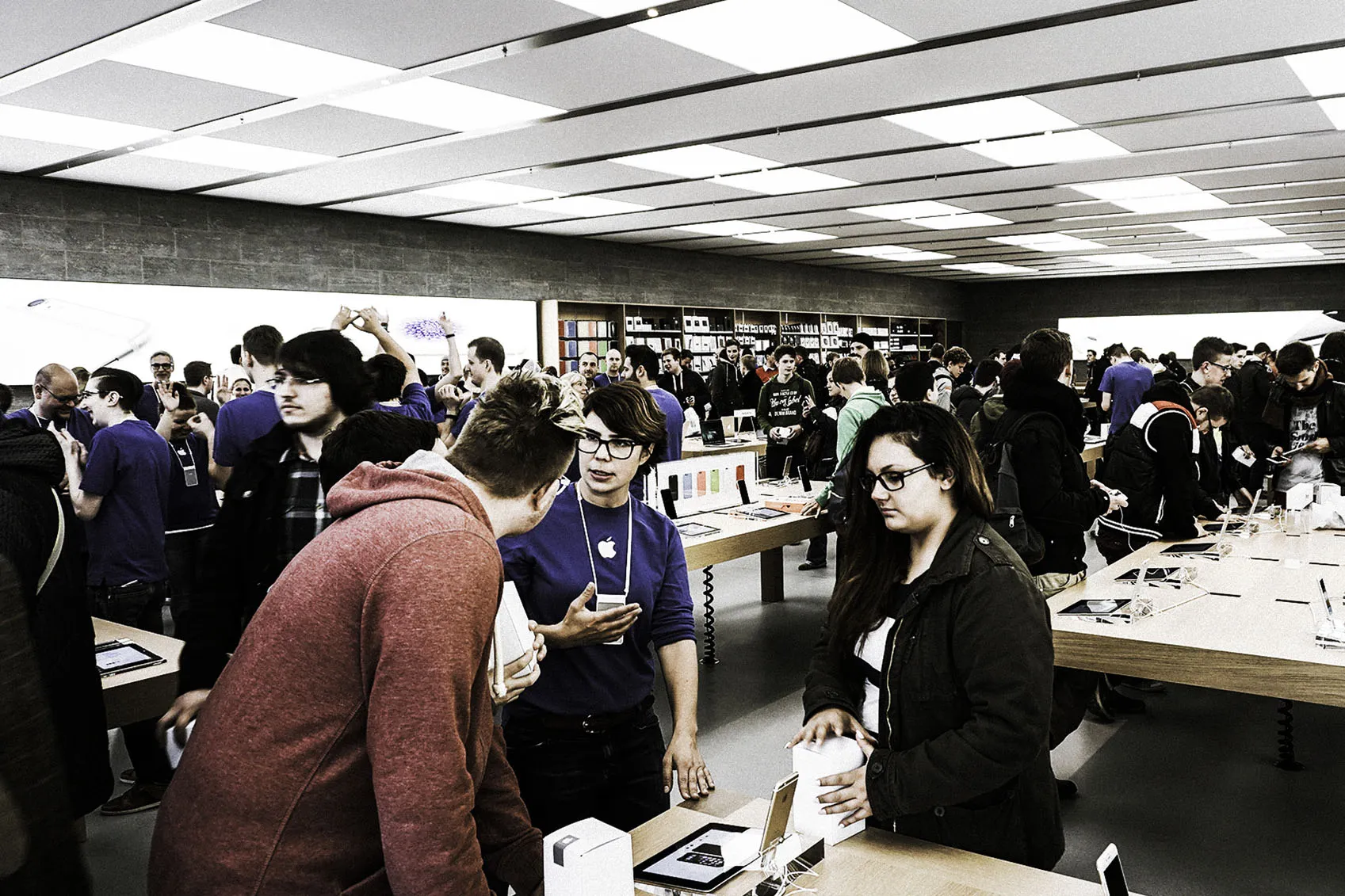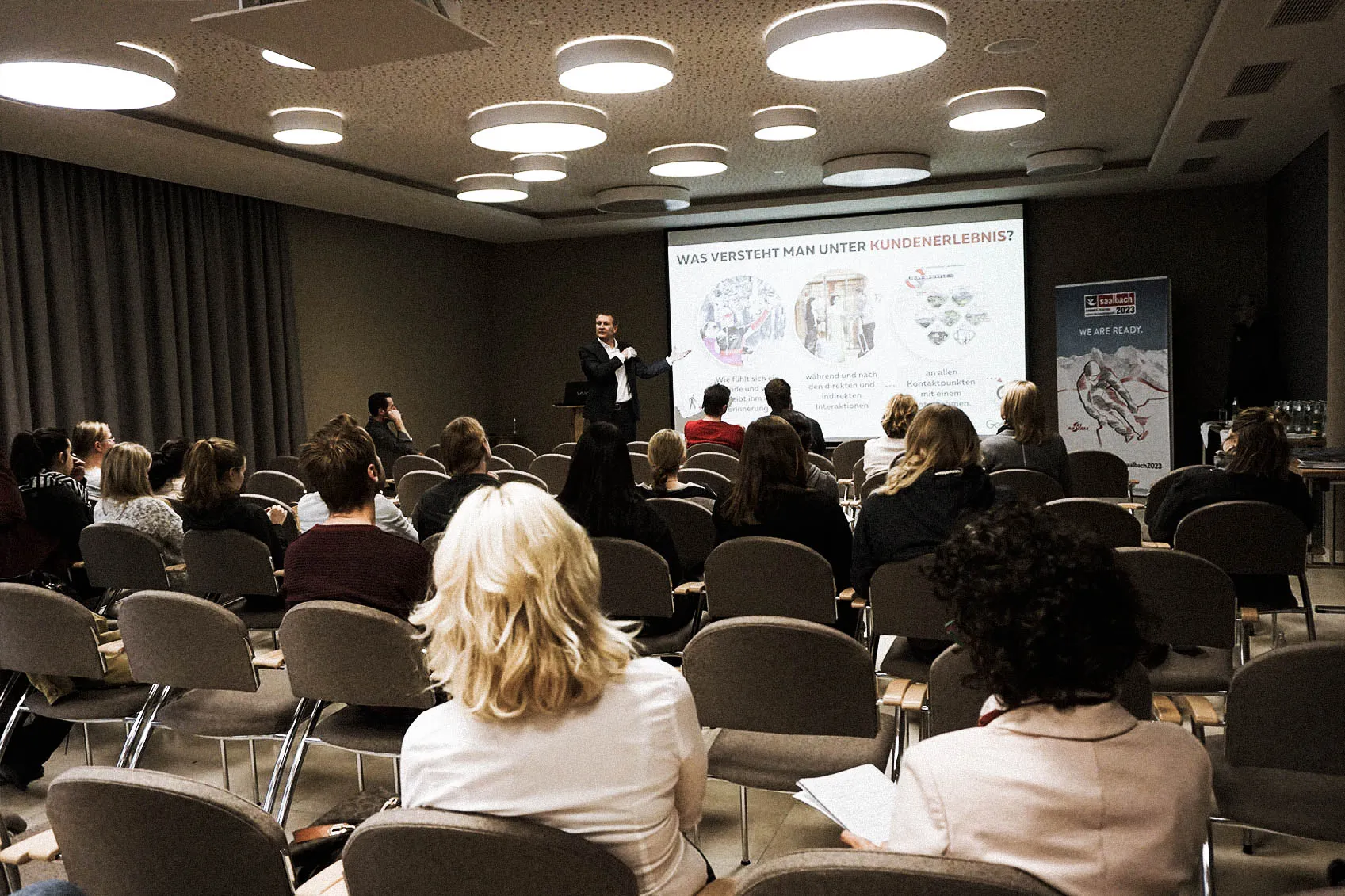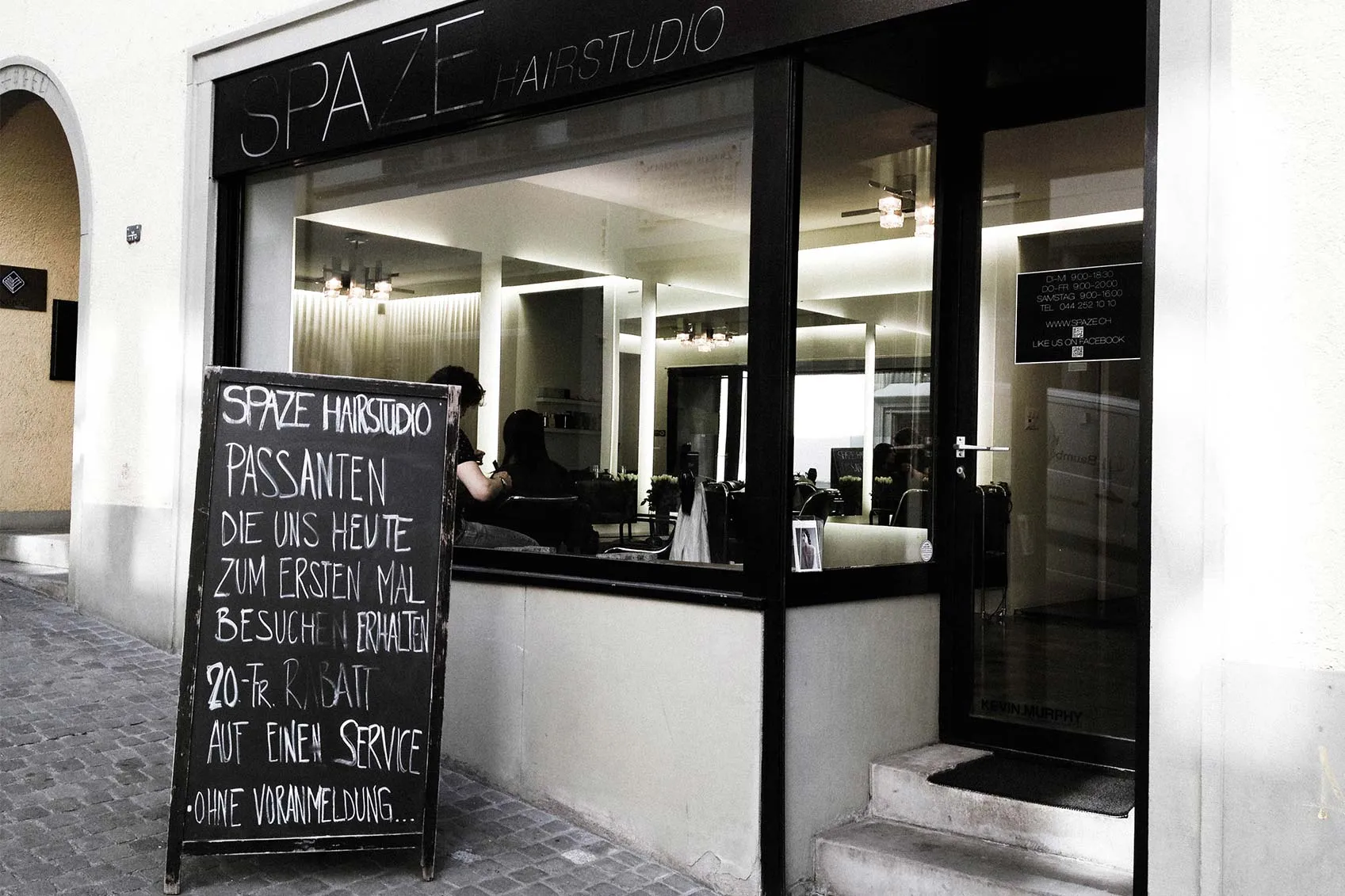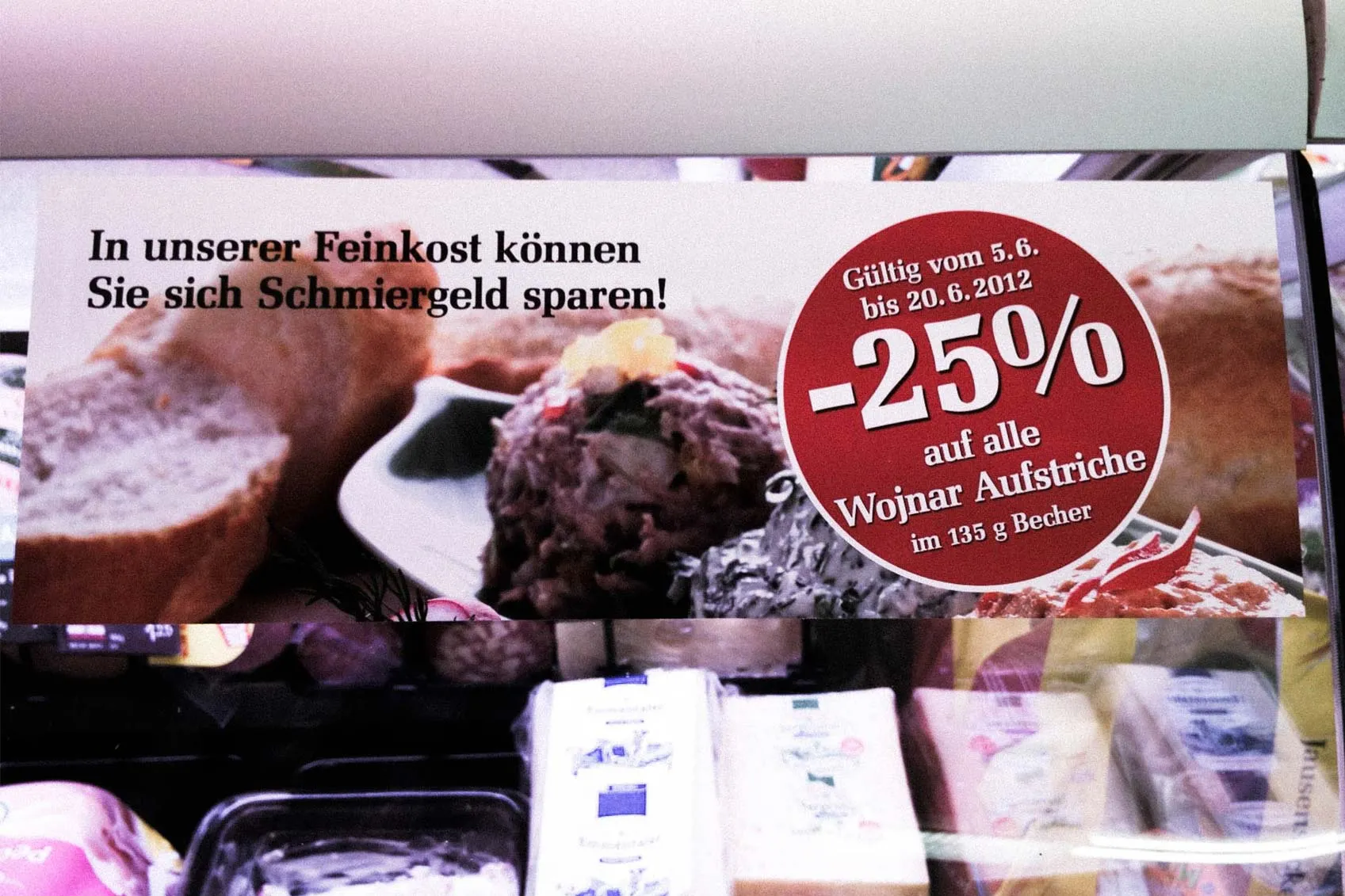
Although traditional retail faces growing challenges (ever-better informed customers, increasing e-commerce through ever more innovative online shops, price comparison apps, etc.), one thing is clear: most people still enjoy shopping, and that will remain true in the online age. Whether on Kaerntner Strasse in Vienna or on Fifth Avenue in New York City.
Some companies have already understood that consumers will continue to satisfy their need for human contact, instant gratification, the promise of shared experiences and compelling stories through shopping. They are now actively pushing back against the widely proclaimed (and sometimes felt) doomsday scenarios in retail. A fascinating mix is emerging: new formats, technologies, offers and products that excite consumers around the world.
Today's affordable technologies have already pulled us deeply into their digital spell, but people still prefer dealing with people - even while shopping. It is a pity that many companies are not aware of this and the resulting needs of their customers.
Or worse: countless companies still react only on the price level, out of fear or a lack of customer understanding. "Best price guarantee!" or "We sell at the lowest internet price!"
We all know this. These price wars remind me of how established airlines reacted some time ago to the then rapidly growing (REAL) low-cost airlines like easyJet or Ryanair. To counter this new competition, they simply lowered prices - sometimes massively. Obviously they believed this would shut down the low-cost carriers.
As we know today: without success. At the peak of this "madness", some established airlines (and one or two small airlines near a near-death experience) came up with the seemingly rescuing idea to install their own low-fare airline, or at least present themselves as one.
After several waves of market consolidation, the realization spread: the business models of an established airline, a "pseudo low-cost airline" (low-fare airline), and a REAL low-cost airline are fundamentally different. That is why it was never really possible to just match prices without also adapting the core product and its production. Logical, actually.
But back to the "renaissance of retail in the online age". Now that we have the good news that retail will likely keep its place in the shopping world, can retailers lean back and simply wait for customers? No, of course not.
They should seize the opportunity of this renaissance and use it successfully for themselves with the right initiatives. A few facts first: European e-commerce volume will grow significantly. But the vast majority of sales still happen offline.
Eight out of ten consumers already research online before they buy something, but consumers who use more than one information source (in-store, online, via smartphone or catalogs) spend 82% more per transaction than consumers who shop in-store without any prior information. The product purchase conversion rate (ratio of visitors to purchases) in e-commerce has been around 2-3.5% for years, while in physical stores it is 20-25%. That is the numerical side.
What should you do as a company now?
- Do not hide behind your products.
- Actively get to know your customers and turn your insights into actions that customers can experience. (Doing, not talking. Real customer experience instead of nice advertising promises.)
- Eyes open: you are dealing with a growing number of a new generation of customers (for example digital natives). Prepare as well as possible for their needs.
- Stage the customer experience at all touchpoints. (Before, during and after customers use your offering.)
- Align brand promise (= expectation) and customer experience (= service reality).
- Use what you learn from the online world for your offline world.
- Continuously ensure that all employees understand what is done, how it is done, and, above all, why it is done - and what each person's role is, especially in customer-facing positions.
Retailers should be aware that buyers' expectations are strongly shaped by a decade of online shopping. Customers now expect many of the beloved e-commerce advantages - such as convenience services, easy exchange with other buyers, total price transparency and virtually unlimited choice - in the offline world as well. No wonder retailers increasingly meet the "hunger for information" by bringing parts of the online shopping experience into stores: access to price comparisons (best price guarantees), customer reviews, or recommendation logic ("buyers who bought this also bought...").
Many customers also show a growing need for real, usable information about products and services. The often fragmented, hard-to-verify, simplified information and subjective reviews on internet platforms can confuse more than they help. This also explains the increasing interest in videos showing "products in use" that private individuals publish on YouTube.
Companies that constantly reinvent themselves to stay successful understand that the online world offers more transparency and information, but also that shopping is not just pure utility. Useful information from well-trained staff has high value.
For the majority of consumers worldwide, shopping is a leisure activity and therefore an opportunity for relaxation and/or entertainment. It is also a great way to meet friends, experience something together and share experiences.
Consumers increasingly expect experiences from shopping that are not possible online: spectacular staging of the offer, exclusive products and brands, the ability to touch and try products. This drives the rapid growth of experiential stores, flagship stores, pop-up stores and outlets worldwide, where the shopping trip becomes a kind of sensory "shopping safari".
I do not claim that companies will be forced to offer ever more extreme shopping experiences in the future. There will certainly continue to be buyers who simply want the convenience and immediate take-home effect of a normal in-store purchase. In that case, it can be enough if purchase processes are so pleasant or personal that consumers do not even consider buying online. But one thing is absolutely clear: for that, you always need an individually fitting, authentic staging of the customer experience. Otherwise it will not work.
Another driver of the retail renaissance is the fact that the search for status symbols has a strong influence on consumption behavior. Buying in the offline world will therefore remain a popular way to get immediate, tangible confirmation.
The importance of customer experience becomes visible quickly, especially when buying luxury goods and services: the sensory impressions when entering the store, the exclusive ambiance, shopping bags with big known logos, the special attention from salespeople, and the deliberate act of buying in front of other customers. Even if it may sound superficial to some, this offline shopping experience offers a kind of status confirmation that is not possible online - or perhaps not yet.
But this type of customer experience is not reserved for luxury brands. No. It is always possible - even without absurd investments - to design authentic customer experiences that fit your company and are tailored to your products or services.